GameStop Bitcoin Ownership reveals how BTC was pledged, not sold, and why control matters more than exposure in Bitcoin.
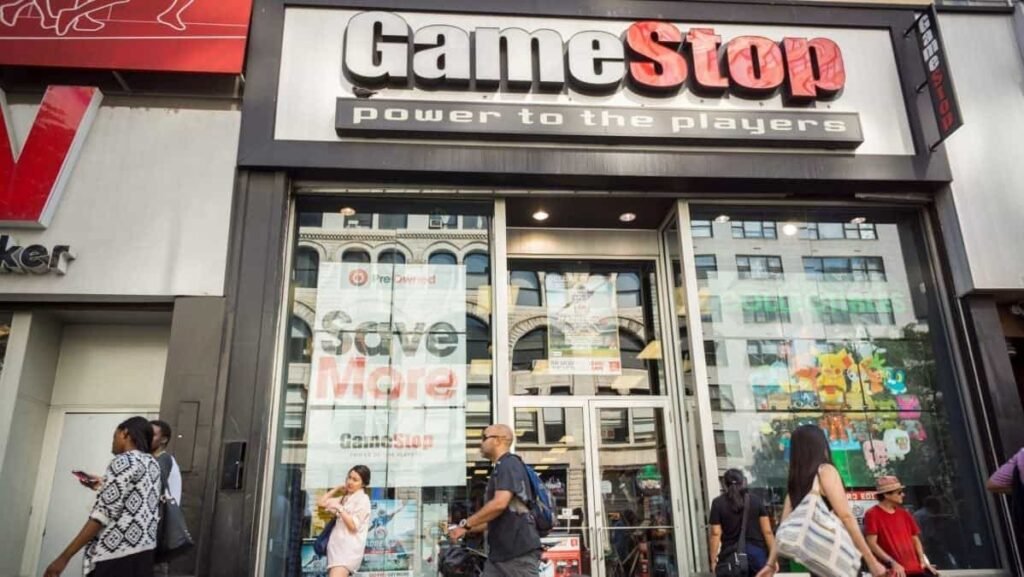
GameStop Bitcoin Ownership Explained
For weeks, the market believed one thing.
GameStop sold all its Bitcoin.
But that turned out to be completely wrong. The company still holds 4,709 BTC, but what it did instead is far more important to understand. According to its latest SEC filing, GameStop did not sell its Bitcoin. It pledged it as collateral through Coinbase Credit.
This changed everything. Because while the Bitcoin still exists on paper, the nature of ownership is no longer the same. The narrative shifted from “selling Bitcoin” to something much deeper. Control.
What GameStop Bitcoin Ownership Actually Means
On paper, the numbers look technical.
• $368.3 million digital asset receivable
• $59.7 million unrealized loss
• ~$2.3 million unrealized gain
• ~$700K liability
But the real story is not in the numbers. It is in the structure behind them. GameStop used its Bitcoin as collateral in a covered call strategy, generating premium income while maintaining exposure to the asset.
However, this also capped their upside and introduced new layers of financial complexity. The Bitcoin is no longer just being held. It is now part of a financial system built around derivatives and structured products.
If you want to explore how this entire structure works in detail, you can refer to this analysis and this detailed breakdown by The Block.
The Hidden Risk in GameStop Bitcoin Ownership
This is where things get interesting.
As part of the agreement, Coinbase now has the right to rehypothecate, commingle, or even sell the pledged Bitcoin. That means the coins can be used in other financial activities, mixed with other holdings, or liquidated under certain conditions.
This introduces multiple risks. Counterparty risk, custodial risk, and liquidation risk all come into play. Most importantly, it means GameStop no longer has direct control over its Bitcoin.
And this is the core issue. Bitcoin was designed to remove intermediaries. But once you introduce layers of traditional finance, the system begins to change. Ownership becomes conditional.
If you want to understand how to avoid these risks and what true ownership looks like, the Bitcoin Essentials course explains self custody and long term Bitcoin strategy clearly.
What This Means for Bitcoin Users
GameStop’s move shows how institutions are experimenting with Bitcoin. Some are accumulating it, while others are building financial products around it. This is not necessarily good or bad, but it does change how Bitcoin is used.
For individuals, the lesson is simple but powerful.
Are you holding Bitcoin, or are you trusting someone else to hold it for you?
Because if someone else can lend it, sell it, or control it, then your ownership is no longer absolute. It becomes dependent on a third party.
Final Perspective
GameStop did not sell its Bitcoin.
But it also does not fully control it.
And that difference matters more than most people realize. Bitcoin is not just about exposure. It is about control. When control shifts, risk changes.
So the real question becomes:
If you hold Bitcoin, but someone else controls it…
Do you really own it?
Need help building your Bitcoin strategy?
Message directly on WhatsApp.
+971 56 739 9526