Oil prices and Venezuela news have been circulating widely, but understanding them correctly matters more than reacting to headlines. In early January 2026, the United States carried out a military operation in Venezuela that resulted in the capture and removal of President Nicolás Maduro. This action and its impact on the country’s oil sector have fueled speculation about oil price movements and supply disruptions.
However, it is not accurate to assume that oil prices moved instantly simply because headlines appeared. To truly understand oil prices and Venezuela news, we need to look at market mechanics, actual export data, and timing relative to trading hours.
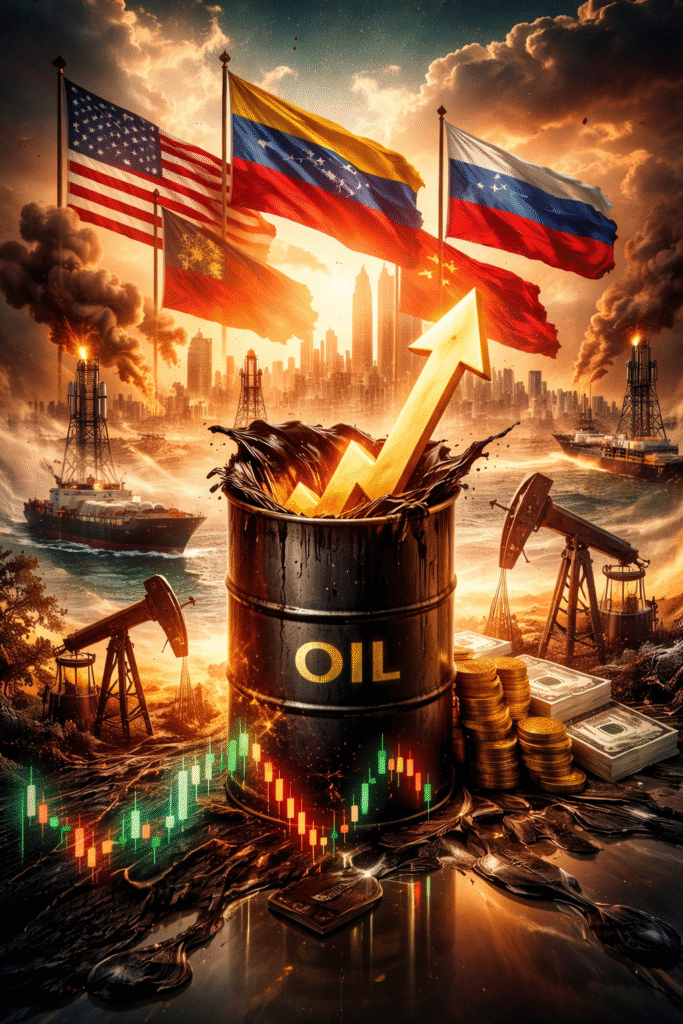
Why Oil Prices Did Not Move Immediately
The key update on Venezuela came out on 3 January 2026, which coincided with global market holidays when major crude oil futures and spot markets were closed. Without active trading, there was no real price discovery at that moment.
False assumptions about instant oil price reactions happen when markets are closed. During such times, sentiments and futures positioning can shift, but actual price moves only occur when trading resumes.
A recent Reuters report notes that oil markets actually settled up sooner after trading resumed, with Brent and WTI crude rising about three percent as traders assessed global supply worries and geopolitical developments.
Venezuela’s Production Has Been Declining for Years
To understand what drives oil prices, remember that Venezuela’s oil output has been in long decline. According to OPEC figures, Venezuela produced less than one million barrels per day in late 2025—far below its peak levels decades ago.
Sanctions, infrastructure decay, and lack of investment have curbed Venezuela’s production for years. The recent geopolitical turmoil adds uncertainty but does not magically restore output. If anything, production risks slipping further without foreign investment and stability.
How Supply Expectations Shape Pricing
Oil markets trade based on expectations of supply and demand, not simply headlines. Even a small potential supply disruption can move prices significantly, especially in times of tight balances. For example:
• Venezuela’s production is less than a fraction of global supply but still matters regionally.
• Any restrictions on Venezuelan exports enter pricing models as risk premiums.
Global oil prices are also influenced by broader factors such as OPEC supply discipline, strategic reserve policies, demand recovery, and geopolitical tensions. When uncertainty in one area increases, markets often price in risk before actual supply changes occur.
This is why near-term price swings are often driven by sentiment and positioning more than by changes in actual production.
Recent Developments That Matter to Oil Markets
Here are a few developments that could influence future price movements:
US Executive Actions:
U.S. President Donald Trump signed an executive order to protect Venezuelan oil revenues and encourage investment in Venezuela’s oil sector. This move aims to stabilize economic cooperation and future production prospects.
Export Resilience and Blockade Challenges:
Some Venezuela-linked oil tankers have defied maritime blockades and continue movements, raising questions about enforcement effectiveness.
Shifts in Export Destinations:
China, Cuba, and other nations have been key buyers of Venezuelan crude in recent months, and shifts in geopolitical alignment could alter trade flows.
Each of these developments feeds into oil prices and Venezuela news, but none of them alone dictates price movements.
What Traders Should Watch Next
With markets reopening after the holidays, traders will focus on real price action rather than headlines. Key indicators to watch include:
• Oil futures trading volumes and positioning
• Changes in Venezuelan export volumes
• OPEC supply policy updates
• Geopolitical risk premium shifts
Internal Perspective: Markets and Risk Management
If you’ve read other posts on this site, you know we emphasize disciplined analysis over reactionary headlines. For example, understanding trading psychology during major news events is crucial.
In order to learn more about Bitcoin , have a look at Bitcoin Essentials by Azad Money.
Conclusion: Patience, Data, and Discipline Win
In summary, oil prices and Venezuela news are complex topics that deserve calm analysis rather than instant fear or speculation. Markets price expectations first and data later. Headlines can mislead when taken without context, especially outside active trading hours.
What happens next depends on how supply expectations evolve, how markets reopen, and how traders manage risk.
Curious what price levels you’re watching? Comment “Oil” below and let’s continue the discussion in the comments.